Texas is known for its intense sunshine, high temperatures, and long summers, making your roof one of the hardest-working parts of your home. In cities like El Paso, roofing materials are exposed to constant UV radiation, extreme heat, and sudden temperature changes that can accelerate wear over time.
Choosing the right roofing material isn’t just about appearance—it directly impacts your home’s durability, energy efficiency, and long-term maintenance costs. Understanding how different roofing materials perform in the Texas climate can help homeowners make smarter decisions when installing or replacing a roof.
Why Texas Heat Is Tough on Roofs
A roof absorbs sunlight all day, and surface temperatures can become significantly hotter than the surrounding air. Continuous exposure to heat causes roofing materials to expand during the day and contract as temperatures cool overnight. Over time, this cycle can lead to cracks, warping, and premature aging.
Other factors that affect roofing systems in Texas include:
- Intense UV radiation
- High summer temperatures
- Dry climate
- Strong winds
- Occasional hailstorms
- Dust accumulation
Because of these conditions, selecting heat-resistant roofing materials is essential for long-term performance.
Asphalt Shingles
Asphalt shingles remain one of the most common roofing materials because they offer an excellent balance between affordability and durability.
How Heat Affects Asphalt Shingles
Constant UV exposure gradually breaks down the protective granules on asphalt shingles. As these granules wear away, the shingles become more vulnerable to cracking, curling, and fading.
Prolonged heat can also cause:
- Faster material aging
- Reduced flexibility
- Granule loss
- Increased risk of leaks
Fortunately, modern architectural shingles are designed with improved durability and can withstand Texas weather much better than older roofing products.
Metal Roofing
Metal roofing has become increasingly popular throughout Texas because it performs exceptionally well in hot climates.
Benefits in High Temperatures
Unlike many traditional roofing materials, metal reflects a large portion of the sun’s heat instead of absorbing it.
This provides several advantages:
- Lower attic temperatures
- Improved energy efficiency
- Reduced cooling costs
- Excellent durability
- Resistance to UV damage
Metal roofs also expand and contract with temperature changes, but quality installation allows for this natural movement without compromising performance.
Tile Roofing
Clay and concrete tile roofs are well known for their ability to handle extreme heat.
Excellent Heat Resistance
Tile naturally resists high temperatures and creates small air gaps beneath each tile, allowing heat to dissipate more effectively than some other roofing materials.
Benefits include:
- Outstanding durability
- Excellent insulation performance
- Long service life
- Minimal UV deterioration
- Strong resistance to fire
Although tile roofing has a higher initial cost, its longevity often makes it an excellent investment for Texas homeowners.
Flat Roofing Systems
Many commercial buildings and modern homes use flat or low-slope roofing systems.
These roofs often utilize materials such as:
- TPO
- PVC
- Modified bitumen
- EPDM
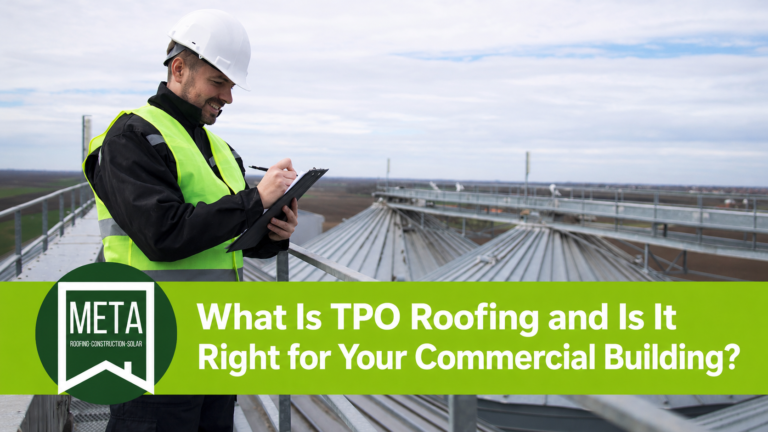
Among these options, TPO roofing is especially popular because its reflective white surface helps reduce heat absorption and improve energy efficiency.
Proper installation and regular maintenance are essential for maximizing the lifespan of flat roofing systems exposed to constant sunlight.
How Heat Impacts Roof Lifespan
Even the highest-quality roofing materials experience gradual wear under prolonged exposure to Texas weather.
Common signs of heat-related roof aging include:
- Curling shingles
- Surface cracking
- Fading colors
- Loose flashing
- Warped materials
- Increased energy bills
- Small roof leaks
Routine roof inspections allow homeowners to identify these issues early before they develop into more expensive repairs.
Energy-Efficient Roofing Can Lower Cooling Costs
With air conditioning systems working overtime during Texas summers, your roof plays a major role in your home’s overall energy efficiency.
Energy-efficient roofing systems help by:
- Reflecting solar radiation
- Reducing attic temperatures
- Improving indoor comfort
- Lowering HVAC workload
- Decreasing monthly utility bills
Many homeowners also choose lighter-colored roofing materials because they absorb less heat than darker surfaces.
The Importance of Proper Roof Ventilation
Roofing materials alone cannot fully protect your home from extreme temperatures. Proper attic ventilation is equally important.
A well-designed ventilation system helps:
- Remove trapped heat
- Reduce moisture buildup
- Prevent premature roof deterioration
- Improve indoor air circulation
- Extend the life of roofing materials
Without adequate ventilation, excessive attic temperatures can shorten the lifespan of even premium roofing systems.
Regular Roof Maintenance Makes a Difference
Texas homeowners can extend the life of their roofs by scheduling routine inspections and maintenance.
Professional roof maintenance may include:
- Inspecting shingles or roofing panels
- Checking flashing around vents and chimneys
- Removing debris
- Cleaning gutters
- Identifying minor damage before it spreads
Addressing small issues early helps prevent costly roof repairs or premature roof replacement.
Choose Roofing Materials Designed for Texas Weather
Every roofing material responds differently to extreme heat, but selecting products specifically designed for hot climates can significantly improve your roof’s performance and longevity.
Whether you’re considering asphalt shingles, metal roofing, tile roofing, or a flat roofing system, partnering with an experienced roofing contractor ensures your new roof is built to withstand El Paso’s demanding climate.
Investing in durable roofing materials, proper ventilation, and professional installation will help protect your home, improve energy efficiency, and provide reliable performance for many years to come.