A leaking roof is frustrating enough the first time it happens, but when water keeps appearing in the same spot after multiple repairs, it can become a serious concern for homeowners. You might notice a water stain returning to your ceiling, moisture collecting near a wall, or dripping water during every heavy rainstorm. Even after patching the affected area, the problem may return, leaving you wondering why the leak never seems to disappear.
Recurring roof leaks are often a sign that the underlying problem has not been properly identified or resolved. While a quick repair may temporarily stop water from entering your home, hidden damage, deteriorating roofing materials, or drainage issues can allow moisture to return.
For homeowners in El Paso, Texas, where intense sunlight, seasonal storms, and sudden heavy rainfall can affect roofing systems, understanding the causes of repeated roof leaks is essential. Identifying the true source of water intrusion can help prevent costly repairs, protect your home’s interior, and extend the lifespan of your roofing system.
Why Does My Roof Keep Leaking in the Same Place?
When a roof continues leaking in the same location, the problem is not always directly above the visible water stain. Water can travel along roof decking, structural beams, insulation, and other building components before reaching the ceiling or walls.
This means the area where water appears inside your home may be several feet away from the actual entry point. Repairing only the visible section without identifying the original source can result in temporary improvements rather than a permanent solution.
Recurring leaks can also develop when roofing materials have deteriorated, flashing has become damaged, or previous repairs were performed without addressing the underlying cause. In some cases, multiple vulnerabilities may contribute to the same leak, making a professional roof inspection particularly important.
Understanding how water travels through a roofing system is the first step toward identifying why the problem continues and determining the most effective roof leak repair solution.
7 Common Reasons Your Roof Keeps Leaking in the Same Spot
Several roofing problems can cause water to repeatedly enter the same area of your home. Although the exact cause varies depending on the roof’s age, materials, and installation, certain issues are especially common.
1. Damaged or Improperly Installed Roof Flashing
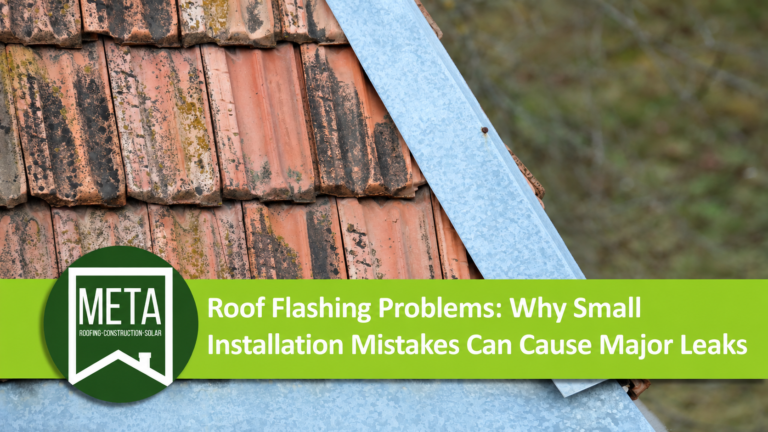
Roof flashing is installed around areas where the roofing system connects to other structures, including chimneys, vents, skylights, and walls. These metal or manufactured components help redirect water away from vulnerable openings and prevent moisture from entering beneath roofing materials.
When flashing becomes loose, corroded, improperly sealed, or incorrectly installed, water can penetrate the roofing system during rainfall. Applying sealant over the visible opening may temporarily reduce leaking, but it will not necessarily resolve problems involving damaged or incorrectly positioned flashing.
For example, if flashing around a chimney was installed without proper integration into the roofing materials, water may continue entering through the same connection even after repeated surface repairs. Correcting the issue may require removing surrounding materials and reinstalling the flashing according to appropriate roofing practices.
2. Cracked, Missing, or Deteriorating Roof Shingles
Asphalt shingles provide a protective barrier against rain, wind, and other environmental conditions. Over time, however, exposure to sunlight, temperature changes, and strong winds can cause shingles to crack, curl, loosen, or lose their protective granules.
In El Paso, prolonged exposure to intense ultraviolet radiation and high summer temperatures can contribute to the aging of certain roofing materials. When shingles deteriorate, water may find its way beneath the surface and reach vulnerable areas of the roof.
Replacing a single damaged shingle may solve an isolated problem, but recurring leaks can indicate deterioration affecting a larger section of the roofing system. If neighboring shingles are also brittle or poorly secured, water intrusion may continue even after the original damaged material has been replaced.
A professional roofing contractor can evaluate whether localized repairs are sufficient or whether more extensive work is necessary.
3. Previous Roof Repairs Did Not Address the Actual Problem
One of the most common reasons a roof continues leaking is that previous repairs focused on the symptoms rather than the source of the problem.
When homeowners notice water entering through a ceiling, the natural assumption is that the damaged roofing material must be directly above that location. However, water frequently travels along hidden structural components before becoming visible indoors.
A contractor who repairs only the area above the stain may miss the actual entry point, particularly when the leak originates near a roof penetration, flashing connection, or damaged seam.
Temporary solutions such as roofing cement or surface sealant may also deteriorate over time, especially when exposed to strong sunlight and changing temperatures. While these materials can be useful in certain repair applications, they are not substitutes for correcting damaged components or improper installation.
A lasting roof repair begins with identifying the complete moisture pathway and addressing the original failure.
4. Clogged Gutters or Poor Roof Drainage
Proper roof drainage is essential for directing rainwater away from the roofing system and the building’s foundation. When gutters, downspouts, or drainage outlets become blocked, water can accumulate in areas where it would normally flow away.
On sloped roofs, clogged gutters may contribute to water backing up near roof edges or entering vulnerable connections under certain conditions. On flat and low-slope roofs, blocked drains can create standing water that places additional stress on roofing membranes, seams, and flashing.
Although El Paso has a relatively dry climate, sudden heavy rainfall during the summer monsoon season can expose drainage problems that remain unnoticed during extended periods without rain.
If water repeatedly accumulates in the same area, repairs that do not address the underlying drainage issue may fail to prevent future leaks. Maintaining clear drainage pathways and correcting improper slopes or damaged drainage components can help reduce recurring water intrusion.
5. Damaged Roof Underlayment or Decking
The visible roofing material is only one part of the complete roofing system. Beneath shingles, tiles, or other exterior coverings, underlayment provides an additional layer of protection, while the roof decking supports the roofing assembly.
When moisture penetrates the outer roofing materials, damaged underlayment may allow water to reach the decking and eventually enter the interior of the home. If the decking has already experienced prolonged moisture exposure, deterioration can make the affected area more vulnerable to future leaks.
In some cases, replacing the visible roofing material does not solve the problem because the underlying components remain damaged. A professional inspection may reveal deteriorated decking, compromised underlayment, or improper material connections that require more extensive repairs.
Addressing these hidden problems is essential for restoring the roofing system’s ability to resist moisture.
6. Problems Around Roof Vents, Skylights, and Other Penetrations
Roof penetrations create openings that must be carefully sealed and integrated into the roofing system. Plumbing vents, exhaust outlets, skylights, and other rooftop features all require appropriate flashing or sealing components to prevent water intrusion.
Over time, rubber vent boots may crack, sealants can deteriorate, and flashing connections may become loose. These problems can create small openings through which rainwater enters the roof.
Leaks around penetrations are particularly difficult to diagnose because water may travel along pipes, framing, or other concealed surfaces before reaching the interior ceiling.
For example, a recurring stain near a bathroom ceiling could originate from deteriorated flashing around a plumbing vent rather than damaged shingles directly above the room. Identifying the actual entry point helps prevent unnecessary repairs and ensures the correct components are addressed.
7. Aging Roofing Materials and Multiple Hidden Leaks
Sometimes a roof continues leaking because its overall condition has deteriorated beyond what isolated repairs can effectively address.
As roofing materials age, multiple weak points may develop across the system. Shingles can become brittle, flashing may loosen, underlayment can deteriorate, and previously repaired sections may begin failing again.
When several vulnerabilities are present, fixing one problem may temporarily stop water intrusion, only for another nearby opening to allow moisture into the same interior area during the next storm.
This does not automatically mean that a complete roof replacement is necessary. However, recurring leaks in an aging roofing system should prompt a comprehensive evaluation to determine whether continued repairs remain practical.
Why Roof Leaks Can Be Difficult to Locate
One of the biggest challenges with recurring roof leaks is identifying where water actually enters the roofing system. Unlike a visible hole or missing shingle, many leaks begin in concealed areas that are difficult to inspect without professional experience.
Water naturally follows the path of least resistance. Once it enters beneath roofing materials, it can move along decking joints, rafters, insulation, or other structural elements before eventually reaching a ceiling or wall.
The direction and intensity of rainfall can also affect how a roof leaks. A particular opening may allow water inside only when rain is accompanied by strong winds, while another leak may appear only after prolonged rainfall.
In El Paso, the combination of seasonal winds and sudden summer storms can make these patterns especially noticeable. A roof may remain dry during light rainfall but develop leaks when wind-driven rain reaches vulnerable flashing or roofing connections.
Professional roof leak detection involves evaluating these conditions, inspecting potential entry points, and tracing moisture pathways to identify the underlying cause.
Warning Signs That a Recurring Roof Leak Is Getting Worse
Repeated water intrusion can gradually affect areas beyond the original leak. Even if the amount of visible water seems minor, moisture may accumulate inside roofing materials, insulation, and structural components.
Homeowners should pay attention to changes in the appearance or frequency of leaks, particularly when the same area becomes wet after every rainfall.
Common warning signs include:
- Water stains that continue expanding across ceilings or walls.
- Paint bubbling, peeling, or separating from interior surfaces.
- Damp insulation or visible moisture in accessible attic areas.
- Musty odors that become more noticeable after rainfall.
- Discolored or deteriorating drywall.
- Water dripping from light fixtures or ceiling openings.
- Visible sagging or soft spots in affected ceiling materials.
These symptoms may indicate that water intrusion has extended beyond the original problem. If water is entering near electrical fixtures or the ceiling shows significant sagging, avoid the affected area and contact qualified professionals promptly.
Early intervention can help limit interior damage and prevent additional deterioration of roofing components.
How to Fix a Roof That Keeps Leaking in the Same Spot
Successfully repairing a recurring roof leak requires more than covering the visible opening. The most effective approach involves identifying the source of water intrusion, evaluating the condition of surrounding materials, and selecting repairs that address the complete problem.
Step 1: Identify When and Where the Leak Occurs
The first step is to observe the conditions under which the leak appears. Does water enter only during heavy rain, when strong winds accompany a storm, or after several hours of continuous rainfall?
These details can help roofing professionals narrow down the possible causes. For example, leaks that occur only during wind-driven rain may point toward vulnerable flashing or roof connections, while leaks associated with standing water may indicate drainage problems.
Homeowners should document visible stains, photograph affected areas, and note when moisture appears. This information can be valuable during a professional inspection.
Step 2: Schedule a Comprehensive Roof Inspection
A professional roofing inspection is one of the most effective ways to determine why a leak keeps returning. Rather than examining only the area directly above the interior stain, the contractor should evaluate surrounding roofing materials, flashing, penetrations, drainage components, and potential moisture pathways.
Depending on the roofing system and the nature of the problem, the inspection may include examining accessible attic spaces, checking for deteriorated materials, or using appropriate moisture-detection methods.
The goal is to identify the original entry point and determine whether previous repairs failed because of improper materials, incomplete work, or additional hidden damage.
Step 3: Repair the Actual Source of Water Intrusion
Once the source has been identified, the appropriate repair depends on the type and extent of the damage. A roofing contractor may need to replace deteriorated shingles, reinstall damaged flashing, repair membrane seams, replace vent boots, or address compromised underlayment.
For example, if a recurring leak originates from improperly installed flashing, applying additional sealant may not provide a lasting solution. The correct repair may involve removing surrounding roofing materials and reinstalling the flashing so that water drains properly over the roof’s protective layers.
Repairs should address the cause of the leak rather than simply covering the area where water becomes visible.
Step 4: Check for Hidden Moisture Damage
After correcting the source of the leak, it is important to evaluate whether moisture has damaged underlying roofing materials or interior components.
Wet insulation, deteriorated decking, and damaged drywall may require attention depending on the severity of the exposure. Leaving affected materials untreated can create additional problems even after the roof itself has been repaired.
A thorough evaluation helps ensure that the repair addresses both the original roofing issue and any related deterioration.
Step 5: Verify the Repair and Maintain the Roof
Once repairs are complete, the contractor should verify the work using methods appropriate for the roofing system and the suspected leak. Depending on the circumstances, this may involve inspecting repaired connections, checking drainage performance, or conducting controlled water testing when suitable.
Homeowners should continue monitoring the previously affected area during future rainfall and report any signs of recurring moisture.
Regular roof inspections and preventive maintenance can help identify new vulnerabilities before they lead to additional leaks.
Should You Repair or Replace a Roof With Recurring Leaks?
One of the most common questions homeowners ask is whether repeated roof leaks mean it is time for a complete roof replacement.
The answer depends on the age of the roof, the condition of its materials, the extent of the damage, and the number of areas experiencing problems.
If the roof is relatively new and the recurring leak originates from a localized installation defect or damaged flashing component, professional repairs may provide an effective solution. In these situations, replacing the entire roofing system may be unnecessary.
However, if the roof is approaching the end of its expected lifespan, multiple sections are deteriorating, or repairs have repeatedly failed because of widespread material problems, roof replacement may offer better long-term value.
A professional roofing contractor can evaluate the overall condition of the roof and explain whether targeted repairs are likely to restore reliable protection or whether a more comprehensive solution should be considered.
How El Paso’s Climate Can Contribute to Recurring Roof Leaks
El Paso’s desert climate creates unique challenges for residential roofing systems. Although the region experiences relatively limited annual rainfall, intense sunlight, high temperatures, strong winds, and seasonal storms can gradually affect roofing materials.
During the summer months, prolonged heat and ultraviolet exposure can contribute to the aging of certain roofing products and sealants. Repeated temperature changes may also place stress on roofing components and connections, particularly when materials expand and contract at different rates.
Strong winds can loosen shingles, affect flashing, or expose existing weaknesses that remain unnoticed until the next rainfall. During monsoon season, sudden heavy rain can then enter through these vulnerable areas, causing leaks that seem to appear unexpectedly.
Because rainstorms may be separated by long dry periods, homeowners sometimes assume a previous roof repair was successful simply because no water has appeared for several weeks. In reality, the original problem may remain until another storm creates the conditions necessary for water intrusion.
Routine roofing maintenance and timely inspections are valuable for identifying these issues before they lead to repeated interior damage.
How to Prevent Roof Leaks From Coming Back
Preventing recurring roof leaks involves maintaining the roofing system and addressing small problems before they become more serious. Although no roofing system is completely immune to damage, regular maintenance can help improve performance and extend its useful life.
Homeowners should consider scheduling professional roof inspections periodically and after significant storms, particularly if their roof has previously experienced leaks. Inspecting flashing, roof penetrations, drainage areas, and roofing materials can help identify damage that may not be visible from the ground.
Keeping gutters and roof drains clear is also important, especially before El Paso’s summer monsoon season. Proper drainage helps prevent water from accumulating in vulnerable areas and reduces unnecessary stress on roofing components.
When repairs are needed, working with an experienced roofing contractor can help ensure that the correct materials and installation techniques are used. Temporary patches may provide short-term protection in some situations, but lasting results depend on resolving the actual cause of the problem.
Maintaining records of previous leaks, inspections, and repairs can also help contractors recognize patterns and identify recurring vulnerabilities more efficiently.
When Should You Call a Professional Roofing Contractor?
Homeowners should contact a roofing professional when a leak returns after previous repairs, when water stains continue spreading, or when visible roofing damage appears following a storm.
Even a small recurring leak deserves attention because moisture may be affecting areas that cannot be seen from inside the home. Waiting until water damage becomes extensive can increase repair costs and complicate the restoration process.
A qualified roofing contractor can assess the condition of the roof, identify likely sources of water intrusion, and recommend appropriate solutions based on the actual damage.
For homeowners in El Paso, choosing a contractor familiar with local weather conditions and commonly used roofing systems can be helpful when diagnosing leaks associated with intense sunlight, strong winds, and seasonal rainfall.
Stop Recurring Roof Leaks With META Roofing in El Paso, TX
If your roof keeps leaking in the same spot, repeated temporary repairs may not be enough to protect your home. Identifying the true source of water intrusion is essential for preventing additional damage and restoring the performance of your roofing system.
At META Roofing, we help homeowners throughout El Paso, Texas, evaluate roofing problems and find practical solutions for roof leaks, damaged materials, and aging roofing systems. Our residential roofing services include professional roof evaluations, roof repairs, and complete roof replacements when necessary.
Whether you are dealing with a persistent ceiling stain, a leak that returns during every rainstorm, or concerns about previous roofing repairs, our team can help evaluate the condition of your roof and recommend the next steps.
Contact META Roofing today to schedule a professional roof evaluation and take the first step toward resolving recurring roof leaks.
Frequently Asked Questions About Recurring Roof Leaks
Why Does My Roof Still Leak After Being Repaired?
A roof may continue leaking after repairs if the original source of water intrusion was not correctly identified, the repair did not address all affected components, or additional damaged areas remain. Water can travel beneath roofing materials before becoming visible indoors, which makes accurate diagnosis essential. A comprehensive roof inspection can help determine why the previous repair was unsuccessful.
Can Water Leak From a Different Location Than Where the Roof Is Damaged?
Yes. Water entering through damaged flashing, shingles, or roof penetrations can travel along decking, framing, or other concealed surfaces before reaching the ceiling. As a result, the interior water stain may appear several feet away from the actual entry point. This is one reason recurring roof leaks can be difficult to locate without professional evaluation.
Can a Small Roof Leak Cause Serious Damage?
Yes. Even minor leaks can contribute to damaged insulation, deteriorated decking, stained drywall, and moisture-related problems when left unresolved. The extent of the damage depends on how much water enters, how frequently the leak occurs, and how long affected materials remain wet. Addressing leaks promptly can help prevent more expensive repairs.
Is It Better to Repair or Replace a Roof That Keeps Leaking?
The best solution depends on the roof’s age, condition, and extent of damage. Localized problems involving flashing or individual roofing components may be resolved through professional repairs. However, widespread deterioration, repeated failures, or an aging roofing system may make roof replacement a more practical long-term option.
Why Does My Roof Only Leak During Heavy Rain?
Some roofing vulnerabilities allow water intrusion only under specific conditions. Heavy rainfall may overwhelm poorly functioning drainage systems, while wind-driven rain can reach openings that remain dry during lighter storms. The timing and intensity of rainfall can help roofing professionals identify potential entry points.
Can El Paso’s Hot Weather Cause Roof Leaks?
High temperatures and prolonged ultraviolet exposure can contribute to the deterioration of certain roofing materials, sealants, and protective components. While heat does not directly create every roof leak, gradual material aging may produce vulnerabilities that allow water to enter during subsequent rainstorms. Regular inspections can help identify weather-related deterioration.
How Can I Tell if My Roof Leak Is Coming From Flashing?
Leaks associated with chimneys, skylights, plumbing vents, or roof-to-wall connections may involve damaged or improperly installed flashing. However, the interior location of a stain does not always reveal the source. A professional inspection is generally necessary to determine whether flashing or another roofing component is responsible.
How Often Should I Have My Roof Inspected to Prevent Leaks?
Inspection needs vary depending on the roof’s age, material, condition, and warranty requirements. Many homeowners benefit from periodic professional evaluations, particularly after significant windstorms or severe weather. If your roof has a history of recurring leaks, a contractor may recommend more frequent monitoring of vulnerable areas.