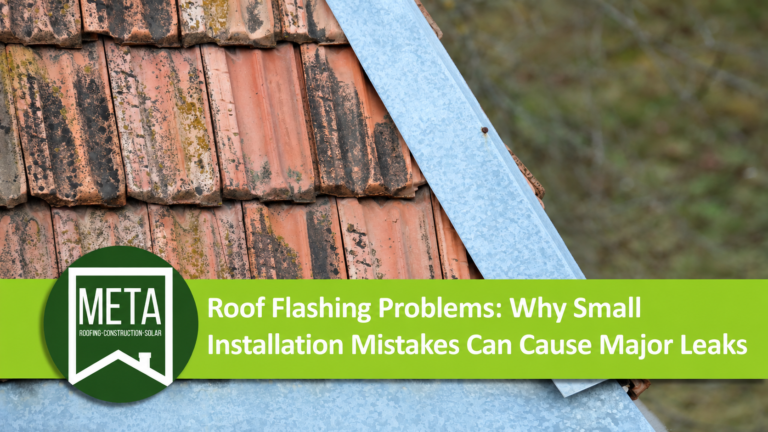
Strong winds are a common part of life in El Paso, Texas, especially during the spring months when powerful gusts and dust storms move across the region. While homeowners may notice fallen branches, blowing debris, or dusty windows after a windy day, damage to their roofs often goes unnoticed.
Even when a roof appears perfectly fine from the ground, high winds can loosen shingles, weaken flashing, and compromise protective roofing materials. Over time, these seemingly minor problems can develop into roof leaks, water damage, and expensive repairs.
Understanding how wind damage affects your roof can help you recognize potential problems early and protect your home from unexpected roofing emergencies.
Why Strong Winds Are a Serious Concern for El Paso Roofs
El Paso’s desert climate presents unique challenges for residential roofing systems. In addition to intense sunlight and extreme summer temperatures, properties throughout the area experience seasonal high winds that can place significant pressure on roofing materials.
March and April are particularly associated with strong wind events in El Paso. These conditions can create hazards for buildings, outdoor structures, and residential roofs.
Wind damage does not always happen during a major storm. Repeated exposure to strong gusts can gradually weaken roofing components, particularly when materials are aging or improperly secured.
Several factors can increase a roof’s vulnerability to wind damage:
- Aging or deteriorating roofing materials.
- Loose shingles or damaged roof edges.
- Improper installation or inadequate fastening.
- Existing cracks around flashing and roof penetrations.
- Previous storm damage that was never repaired.
- Prolonged exposure to El Paso’s intense sunlight and temperature fluctuations.
When these vulnerabilities are combined with high winds, even a relatively short weather event can cause hidden roof damage.
5 Ways Strong Winds Can Damage Your Roof Without Visible Warning Signs
Not all wind-related roofing problems involve missing shingles or obvious structural damage. Some of the most concerning issues develop beneath the surface or in areas that are difficult to inspect from the ground.
1. Wind Can Lift Shingles Without Completely Removing Them
One of the most common forms of wind damage to asphalt shingles occurs when strong gusts lift their edges.
Although the shingles may settle back into place after the wind passes, their adhesive seals can become weakened or broken. This leaves them more vulnerable to future storms and moisture intrusion.
A homeowner looking at the roof from the driveway may not notice anything unusual.
However, loosened shingles can create small openings that allow wind-driven rain to reach the underlayment and potentially cause leaks.
If the problem continues untreated, additional shingles may become displaced, increasing the need for roof repairs.
2. Roof Flashing Can Become Loose or Disconnected
Roof flashing is designed to protect vulnerable areas where roofing materials meet chimneys, vents, walls, and other structural features.
Strong winds can loosen flashing, damage sealants, or create small separations between connected materials.
These openings may not be visible from the ground, but they can allow water to enter during future rainstorms.
Common areas where wind-related flashing damage may occur include:
- Chimneys and roof-to-wall connections.
- Plumbing vents and exhaust pipes.
- Roof valleys and transitions.
- Skylights and other roof penetrations.
- Edges and corners of the roofing system.
Because flashing problems often develop in concealed or difficult-to-access areas, a professional roof inspection may be necessary to identify them.
3. Wind-Driven Debris Can Cause Small Punctures and Cracks
El Paso’s windy conditions can send branches, loose objects, and other debris across residential properties.
When these materials strike a roof, they may cause damage that is not immediately noticeable.
Depending on the type of roofing system, flying debris can result in cracked shingles, damaged tiles, punctured membranes, or compromised protective coatings.
Small punctures can be especially problematic on flat roofs because they may allow moisture to penetrate the roofing system.
Even if there is no immediate leak, damaged areas can worsen with additional exposure to sunlight, wind, and rain.
4. Strong Gusts Can Weaken Roof Edges and Seams
The edges and corners of a roof are particularly vulnerable to wind uplift because of how air moves around a building.
As strong gusts pass over a roof, they create pressure differences that can pull upward on roofing materials.
Over time, this force may loosen edge components, roofing seams, or improperly secured sections.
On flat and low-slope roofs, wind uplift can also affect membrane seams and perimeter attachments.
These problems may remain unnoticed until another storm causes more extensive damage.
Addressing weakened components early can help maintain the integrity of the roofing system and reduce the risk of unexpected repairs.
5. Wind Damage Can Create Hidden Moisture Problems
One of the biggest concerns with unnoticed roof wind damage is that the initial problem may not produce an immediate water leak.
A lifted shingle or compromised flashing connection may remain undetected until the next significant rainfall.
Once moisture enters the roofing system, it can affect insulation, decking, ceilings, and interior walls.
Over time, trapped moisture may contribute to:
- Ceiling stains and discoloration.
- Damaged insulation.
- Mold growth in damp areas.
- Deterioration of roof decking.
- Interior drywall damage.
- Increased roof repair costs.
Because El Paso experiences extended periods of dry weather, homeowners might not discover wind-related roof damage until weeks or months after the original event.
Warning Signs of Wind Damage Every El Paso Homeowner Should Know
Although some roofing problems are difficult to identify without professional equipment, there are warning signs homeowners can look for after strong winds.
Inspecting your property from a safe position on the ground can help you recognize when professional attention may be needed.
Exterior Warning Signs
- Missing, curled, or visibly lifted shingles.
- Roofing materials scattered around the yard.
- Damaged or displaced roof tiles.
- Loose metal flashing or roof edge components.
- Debris accumulation on the roof.
- Bent or damaged gutters.
- Visible changes in the roof’s appearance.
Interior Warning Signs
- New water stains on ceilings or walls.
- Peeling paint near the ceiling.
- Damp spots in the attic.
- Musty odors after rainfall.
- Unexpected moisture around vents or skylights.
Not every roofing issue produces these symptoms, and some warning signs may have causes unrelated to wind.
For this reason, homeowners should avoid assuming their roof is undamaged simply because they cannot see any obvious problems.
Can Wind Damage Affect Different Roofing Materials?
Different roofing materials respond to strong winds in different ways. Understanding these differences can help El Paso homeowners recognize the importance of choosing durable materials and maintaining their roofing systems.
Asphalt Shingle Roofs
Asphalt shingles are widely used in residential roofing because of their affordability and versatility.
However, strong winds may lift shingles, weaken adhesive seals, or remove individual sections when the materials are deteriorated or improperly installed.
Proper fastening, product selection, and routine maintenance are essential for maintaining wind resistance.
Tile Roofs
Tile roofing systems can offer long-lasting protection, but individual tiles may crack, shift, or become dislodged during severe wind events.
Damage to one tile can expose the underlayment and create an entry point for moisture.
Metal Roofs
Properly installed metal roofing systems can provide strong wind resistance.
However, loose fasteners, damaged panels, or compromised edge attachments can affect performance.
Wind damage may also occur when airborne debris strikes the roofing surface.
Flat Roofing Systems
Flat and low-slope roofs rely on properly secured membranes, seams, flashing, and drainage components.
High winds can place additional stress on these elements, particularly around roof edges and penetrations.
Professional maintenance is important for identifying loose membranes, damaged seams, and other vulnerabilities before they lead to water intrusion.
What Should You Do After a Strong Windstorm in El Paso?
Taking a few preventive steps after a windstorm can help protect your property and identify roofing issues before they become more serious.
Step 1: Check Your Property From the Ground
After the storm has passed and conditions are safe, walk around your property and look for displaced roofing materials, fallen branches, or visible roof damage.
Avoid climbing onto the roof yourself, especially if you suspect shingles or other components have become loose.
Step 2: Look for Signs of Interior Moisture
Check ceilings, attic areas accessible without climbing onto the roof, and walls near roof penetrations.
Pay attention to new water stains, unusual dampness, or visible discoloration.
Step 3: Document Any Visible Damage
If you discover potential storm damage, take clear photographs from a safe location.
These records may be useful when discussing repairs with a roofing contractor or reviewing your homeowners insurance coverage.
Step 4: Schedule a Professional Roof Evaluation
A professional roofing contractor can examine areas that are difficult to evaluate from the ground.
A comprehensive roof evaluation may include checking:
- Shingle condition and attachment.
- Roof flashing and penetrations.
- Roof edges and perimeter components.
- Signs of moisture intrusion.
- Membrane seams on flat roofs.
- Damage caused by debris or previous storms.
Step 5: Address Necessary Repairs Promptly
If roof damage is discovered, timely repairs can help prevent additional deterioration.
Depending on the condition of the roof, a contractor may recommend replacing damaged shingles, securing flashing, repairing seams, or addressing other affected components.
Not every wind-damaged roof requires a complete replacement. The appropriate solution depends on the extent of the damage, the roofing materials, and the overall condition of the system.
How to Protect Your Roof From Future Wind Damage
Although homeowners cannot prevent strong winds, proactive maintenance can reduce the likelihood of certain roofing problems.
A well-maintained roofing system is generally better prepared to withstand challenging weather conditions.
Consider these preventive measures:
- Schedule routine professional roof inspections, particularly after significant windstorms.
- Repair loose or damaged shingles before the next storm.
- Keep nearby trees properly trimmed to reduce the risk of falling branches.
- Check gutters and drainage systems for debris and damage.
- Make sure roof flashing and edge components are properly secured.
- Choose roofing materials with appropriate wind-resistance ratings for local conditions.
- Work with an experienced El Paso roofing contractor for installation, maintenance, and repairs.
Preventive maintenance can help extend the useful life of your roofing system while reducing the risk of unexpected damage.
When Should You Call a Roofing Contractor After High Winds?
Homeowners should consider scheduling a professional roof evaluation whenever a significant wind event occurs, especially if their roof is older or has experienced previous storm damage.
You should also contact a roofing professional if you notice missing shingles, loose flashing, damaged roof edges, or any signs of water intrusion.
Even without visible damage, an evaluation may provide valuable information about the condition of your roofing system.
Early identification is particularly important because wind-related problems can remain hidden until future weather conditions expose them.
Protect Your Home With META Roofing in El Paso, TX
Strong winds are an unavoidable part of El Paso’s climate, but unnoticed roof damage does not have to turn into an expensive roofing emergency.
At META Roofing, we help homeowners identify potential roofing problems and make informed decisions about protecting their properties.
Our residential roofing services include professional roof evaluations, roof repairs, preventive maintenance, and complete roof installations designed to meet the needs of homes in El Paso, Texas.
Whether your roof has experienced a recent windstorm or you simply want to understand its current condition, our team can help identify areas that may require attention.
Schedule your roof evaluation with META Roofing and take the next step toward protecting your home.
Frequently Asked Questions About Wind Damage to Roofs
Can strong winds damage a roof without removing shingles?
Yes. Strong winds can lift shingles, weaken adhesive seals, and loosen flashing without completely removing roofing materials. This type of damage may not be visible from the ground.
How do I know if my roof has wind damage?
Common signs include lifted or missing shingles, displaced roofing materials, loose flashing, and water stains inside the home. However, some wind damage requires a professional inspection to identify.
Should I get my roof inspected after a windstorm?
A professional roof inspection is recommended after significant wind events, particularly if your roof is older, has existing damage, or shows signs of deterioration.
Can wind damage cause roof leaks weeks later?
Yes. Wind can compromise roofing materials without causing an immediate leak. Water intrusion may occur during a later rainstorm when moisture reaches the damaged area.
Does homeowners insurance cover roof wind damage in Texas?
Many homeowners insurance policies provide coverage for certain types of sudden wind damage, but coverage depends on the specific policy, exclusions, deductibles, and circumstances. Homeowners should review their policy and contact their insurer for clarification.