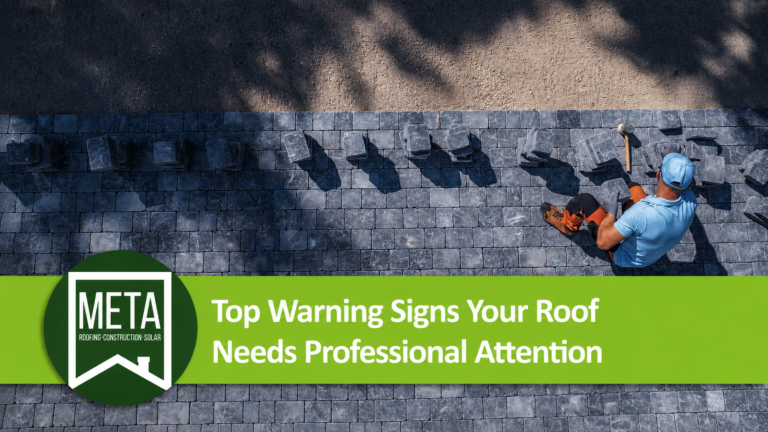
Your roof protects your home from intense sunlight, strong winds, heavy rain, hail, and other weather conditions. However, roofing damage is not always immediately visible. Small problems can gradually become serious issues that affect your home’s structure, insulation, and interior.
Recognizing the warning signs of roof damage can help you schedule professional roof repair before the problem becomes more expensive. This is especially important for homeowners in Texas, where extreme heat and seasonal storms can place additional stress on roofing materials.
Here are the most common signs that your roof may need professional attention.
Missing, Cracked, or Damaged Shingles
Damaged shingles are one of the clearest signs that your roof needs an inspection. Shingles can crack, loosen, curl, or fall off because of age, strong winds, hail, or prolonged exposure to the sun.
Missing or damaged shingles leave the roof deck vulnerable to moisture. Once water reaches the materials underneath the shingles, it can cause leaks, mold growth, and wood rot.
Contact a professional roofing contractor if you notice:
- Missing shingles
- Cracked or broken shingles
- Shingles that appear curled at the edges
- Loose shingles after a storm
- Sections of the roof that look uneven
Replacing a few damaged shingles early may prevent the need for more extensive roof repairs later.
Water Stains on Ceilings or Walls
Brown, yellow, or dark stains on ceilings and walls often indicate that water is entering the home through the roof. These stains may appear gradually and become more noticeable after heavy rain.
Even a small roof leak should not be ignored. Water can travel through insulation, rafters, and walls before it becomes visible inside your home. As a result, the location of the stain may not be directly below the damaged section of the roof.
A professional roof inspection can help identify the source of the leak and determine whether the issue requires a minor repair or more extensive roofing work.
Granules Collecting in Your Gutters
Asphalt shingles are covered with protective granules that help shield the roof from sunlight and weather damage. Over time, shingles naturally lose some of these granules.
However, large amounts of granules in gutters or around downspouts may indicate that the shingles are deteriorating faster than expected.
Excessive granule loss can make shingles more vulnerable to:
- UV damage
- Cracking
- Moisture penetration
- Premature aging
- Temperature-related deterioration
If your roof is losing a noticeable amount of granules, a roofing professional can evaluate whether the shingles still provide adequate protection.
A Sagging Roofline
A roof should appear straight and structurally even. A sagging or dipping roofline can indicate a serious problem that requires immediate professional attention.
Possible causes of roof sagging include:
- Water-damaged roof decking
- Weak or deteriorated structural supports
- Excessive weight on the roof
- Long-term moisture exposure
- Poor roofing installation
A sagging roof may represent a structural safety concern. Homeowners should avoid attempting to inspect or repair this type of damage without professional assistance.
Increased Energy Bills
A damaged or poorly ventilated roof can affect the energy efficiency of your home. When heat enters through the roof or conditioned air escapes through gaps, your heating and cooling system must work harder to maintain a comfortable indoor temperature.
Unexpected increases in electricity costs may be connected to:
- Damaged roofing materials
- Inadequate attic ventilation
- Insulation problems
- Air leaks
- Excessive heat absorption
An energy-efficient roofing system, combined with proper insulation and ventilation, can help reduce indoor heat and improve overall home comfort.
Visible Light in the Attic
During the day, inspect your attic with the lights turned off. If you can see sunlight entering through the roof, there may be gaps, holes, or damaged roofing materials.
Even a small opening can allow rainwater, dust, insects, and outdoor air to enter the home.
While visible light is a clear warning sign, not every roof leak creates an opening large enough to see. Moisture stains, damp insulation, or musty odors in the attic may also indicate a roofing problem.
Mold, Mildew, or Musty Odors
Mold and mildew often develop in areas with excessive moisture and poor ventilation. If your attic or upper rooms smell damp or musty, water may be entering through the roof.
Roof leaks can create favorable conditions for mold growth inside:
- Attic insulation
- Ceiling materials
- Wooden roof structures
- Interior walls
- Ventilation systems
Mold can spread beyond the original area of the leak, making early detection and roof repair essential.
Damaged Flashing Around Roof Openings
Flashing is installed around chimneys, skylights, vents, and other roof openings to prevent water from entering the home.
When flashing becomes loose, cracked, corroded, or improperly sealed, water can penetrate around these vulnerable areas.
Common signs of damaged roof flashing include:
- Rust around metal flashing
- Loose sections near chimneys or vents
- Cracked sealant
- Water stains near roof openings
- Leaks after rainstorms
Professional roofing contractors can repair or replace damaged flashing and restore a proper waterproof barrier.
Clogged or Damaged Gutters
Gutters direct rainwater away from the roof, walls, and foundation. When they become clogged with leaves, dirt, or roofing debris, water may collect along the edge of the roof.
Standing water can damage shingles, fascia boards, roof decking, and exterior walls.
Your roof may need professional attention if you notice:
- Water overflowing from gutters
- Gutters pulling away from the house
- Pools of water near the roofline
- Damaged fascia boards
- Shingle granules inside the gutters
Keeping gutters clean and properly secured is an important part of preventive roof maintenance.
Frequent Roof Leaks
A single isolated leak may be repaired successfully. However, frequent or recurring leaks can indicate that the roof is approaching the end of its useful life.
Multiple leaks may be caused by:
- Aging roofing materials
- Widespread shingle deterioration
- Improper installation
- Extensive storm damage
- Damaged roof decking
When repairs become frequent and costly, a complete roof replacement may provide better long-term value.
Your Roof Is More Than 20 Years Old
The age of your roof is an important factor when evaluating its condition. Many asphalt shingle roofs last approximately 20 to 30 years, depending on the quality of the materials, installation, maintenance, and weather exposure.
A roof may need professional evaluation even if it does not show obvious signs of damage. Older roofing materials can become brittle, weak, and less effective at protecting the home.
Regular roof inspections can help homeowners understand how much useful life remains and begin planning for a future roof replacement.
Recent Hail or Storm Damage
Strong winds, heavy rain, and hail can cause roof damage that is difficult to see from the ground. Even when shingles remain in place, hail can weaken their protective surface or create small cracks.
After a major storm, watch for:
- Missing shingles
- Dented metal flashing
- Damaged gutters
- Roofing debris around the property
- New water stains inside the home
- Fallen branches on the roof
Scheduling a storm damage roof inspection can identify hidden problems before they turn into active leaks.
Why Professional Roof Inspections Matter
Roof damage is not always safe or easy to identify without experience. Walking on the roof can also cause additional damage or create a risk of injury.
A professional roof inspection allows a qualified contractor to examine:
- Shingles and roofing materials
- Flashing and sealants
- Gutters and drainage systems
- Roof decking
- Attic ventilation
- Signs of water damage
- Structural roofing components
After the inspection, the contractor can recommend roof maintenance, targeted repairs, or replacement based on the roof’s current condition.
Roof Repair vs. Roof Replacement
Not every warning sign means that you need a completely new roof. Minor damage may be resolved with professional roof repair, especially when the rest of the roofing system remains in good condition.
Roof repair may be appropriate when:
- Only a few shingles are damaged.
- The roof is relatively new.
- A leak comes from one specific area.
- The roof structure remains stable.
- Storm damage is limited.
Roof replacement may be a better choice when:
- The roof is near the end of its expected lifespan.
- Damage affects multiple areas.
- Leaks continue returning.
- The roof deck has extensive water damage.
- Repairs are becoming increasingly expensive.
A trusted roofing company can help you compare both options and choose the solution that protects your home and budget.
Protect Your Home Before Minor Damage Gets Worse
Ignoring the warning signs of roof damage can lead to more serious problems, including mold, damaged insulation, structural deterioration, and costly interior repairs.
Professional roof inspections and timely repairs can extend the life of your roofing system and help protect your home against the demanding Texas climate.
Meta Roofing provides professional residential roofing, commercial roofing, roof repair, roof replacement, and energy-efficient roofing solutions in El Paso. Our experienced roofing team can inspect your roof, identify potential problems, and recommend a durable solution designed to protect your property for years to come.