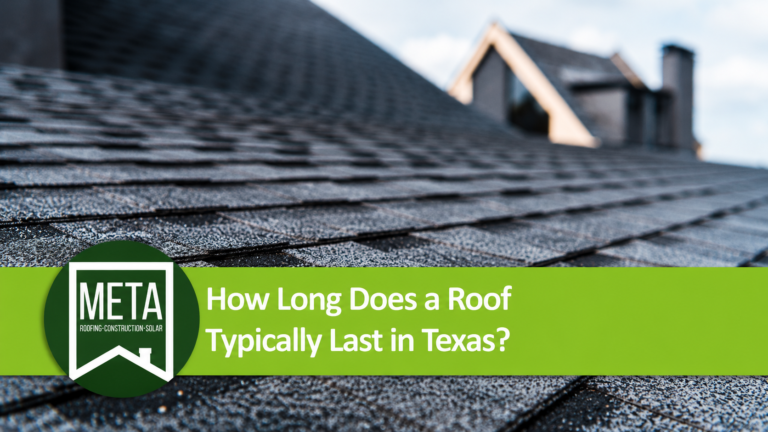
Your roof is one of the most important investments in your home, but how long can you expect it to last? The answer depends on several factors, including the roofing material, the quality of the installation, regular maintenance, and the unique climate conditions in Texas. With intense summer heat, powerful storms, hail, and strong winds, roofs in Texas often experience more wear and tear than those in milder regions.
Understanding the expected lifespan of your roof can help you plan for maintenance, avoid costly repairs, and know when it’s time to consider a roof replacement.
Average Lifespan of Common Roofing Materials
Different roofing materials are designed to last for different lengths of time. Choosing the right material for your home can make a significant difference in long-term durability and maintenance costs.
Asphalt Shingles
Asphalt shingles remain the most popular residential roofing material in Texas due to their affordability and versatility.
Average lifespan:
- 20–30 years
Factors affecting longevity:
- Quality of the shingles
- Proper attic ventilation
- Regular roof inspections
- Exposure to hail and high temperatures
Premium architectural shingles often last longer than standard three-tab shingles and offer better resistance to harsh weather.
Metal Roofing
Metal roofs have become increasingly popular because of their exceptional durability and energy efficiency.
Average lifespan:
- 40–70 years
Benefits include:
- Excellent resistance to hail and wind
- Reflects solar heat
- Low maintenance requirements
- Outstanding long-term value
Although the initial investment is higher, metal roofing often pays for itself through longevity and reduced energy costs.
Tile Roofing
Clay and concrete tile roofs are known for their beauty and impressive lifespan.
Average lifespan:
- 50–100 years
Tile roofs perform well in hot climates but require a strong structural foundation due to their weight.
Flat Commercial Roofing
Commercial roofing systems vary depending on the membrane used.
Typical lifespan:
- TPO Roofing: 20–30 years
- EPDM Roofing: 20–30 years
- Modified Bitumen: 15–25 years
Routine maintenance is essential to maximize the life of commercial roofing systems.
How Texas Weather Impacts Roof Lifespan
Texas weather can significantly shorten the life expectancy of a roof if it’s not properly maintained.
Intense UV Exposure
Long summers and constant sunlight gradually break down roofing materials. Asphalt shingles may dry out, become brittle, and lose protective granules over time.
Hailstorms
Texas experiences some of the country’s most severe hailstorms. Even small hailstones can damage shingles, loosen flashing, or create hidden leaks that worsen over time.
Strong Winds
High winds can lift shingles, damage flashing, and expose the roof deck to moisture. Wind damage often goes unnoticed until a leak develops.
Heavy Rain
Poor drainage or damaged roofing materials allow water to penetrate beneath the roof surface, leading to mold, wood rot, and costly structural repairs.
Signs Your Roof May Be Near the End of Its Life
Even if your roof hasn’t reached its expected lifespan, certain warning signs indicate it may need professional attention.
Look for:
- Missing or curling shingles
- Granules collecting in gutters
- Water stains on ceilings
- Visible sagging areas
- Moss or algae growth
- Frequent roof leaks
- Damaged flashing around chimneys or vents
- Higher energy bills caused by poor insulation
If you notice any of these issues, scheduling a professional roof inspection can help identify problems before they become more expensive.
Can Regular Maintenance Extend Roof Life?
Absolutely. Preventive maintenance is one of the best ways to maximize the lifespan of your roof.
Recommended maintenance includes:
- Annual professional roof inspections
- Cleaning gutters regularly
- Removing debris after storms
- Replacing damaged shingles promptly
- Checking attic ventilation
- Inspecting flashing and sealants
Addressing minor repairs early helps prevent extensive water damage and prolongs the life of your roofing system.
When Should You Replace Instead of Repair?
While many roofing issues can be repaired, there comes a point when replacement becomes the more cost-effective solution.
A roof replacement may be the better option if:
- The roof is over 20–30 years old.
- Storm damage affects large sections of the roof.
- Repairs have become frequent and costly.
- There are multiple active leaks.
- Structural components show signs of deterioration.
A trusted roofing contractor can evaluate your roof and recommend whether repairs or replacement will provide the best long-term value.
Choosing the Right Roofing Contractor
The lifespan of any roof depends not only on the materials used but also on the quality of the installation. Working with experienced professionals ensures your roofing system is built to withstand Texas weather for decades.
Look for a contractor who is:
- Licensed, bonded, and insured
- Experienced with Texas roofing requirements
- Highly rated by local homeowners
- Transparent with estimates and warranties
- Committed to using quality roofing materials
A properly installed roof backed by professional craftsmanship can significantly outperform one installed with lower-quality methods or materials.
Protect Your Home with a Roof Built to Last
Whether your roof is approaching the end of its lifespan or you’ve recently experienced storm damage, taking action early can save you thousands of dollars in future repairs. Regular inspections, timely maintenance, and quality installation all play a critical role in protecting your home.
At Meta Roofing, we provide expert residential roofing, commercial roofing, and energy-efficient roofing solutions designed for the demanding Texas climate. Whether you need a professional roof inspection, roof repair, or a complete roof replacement, our experienced team is ready to help you protect your investment with roofing solutions built to last.